TDS on Property Purchase Above Rs 50 Lakh

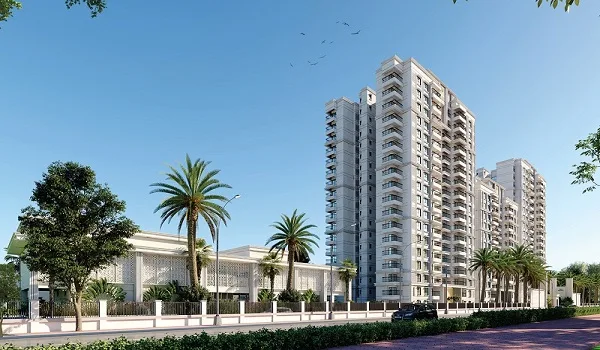
TDS on a property purchase at Prestige Park Ridge applies when the price is Rs 50 lakh or more. The buyer deducts 1 percent of the sale value under Section 194-IA and deposits it with the government. The buyer handles this, not the seller, and no TAN is needed. This guide covers the rate, the amount it applies to, how it works on builder instalments, the Form 26QB process and the penalties for delay.
When TDS Applies and the Rate
The rule is set by Section 194-IA of the Income Tax Act. TDS applies when the sale value of a property is Rs 50 lakh or more. The rate is 1 percent.
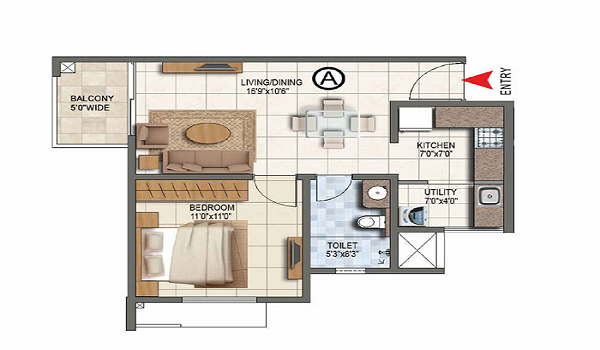
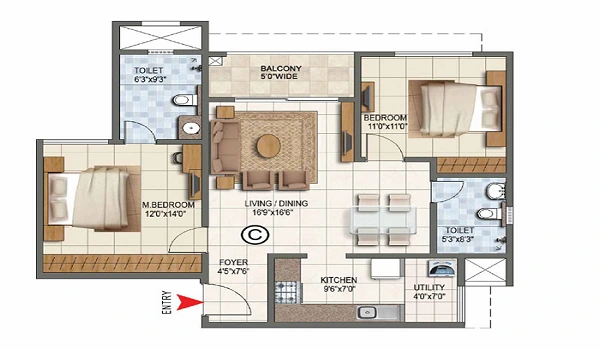
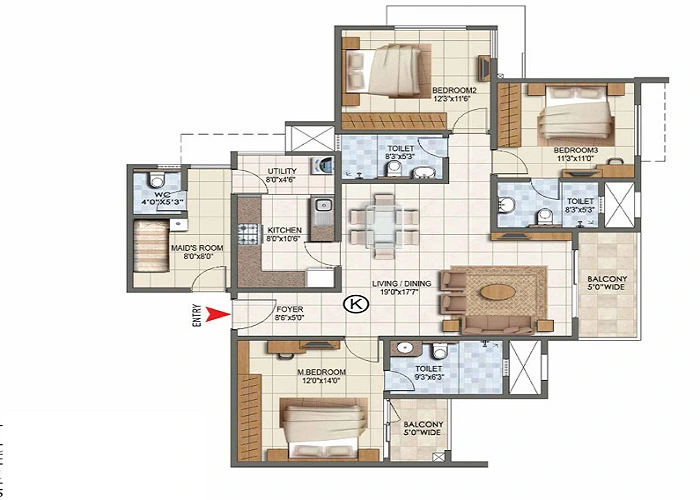
The deduction is worked on the higher of the sale value or the stamp-duty value. All three of the project's configurations cross the Rs 50 lakh mark, so TDS applies to each. The table below gives the key points at a glance.
| Item | Detail |
|---|---|
| Section | 194-IA |
| Rate | 1% |
| Threshold | Rs 50 lakh or more |
| Who deducts | The buyer |
| Statement | Form 26QB |
| Certificate | Form 16B |
Who Deducts and on Which Amount
The buyer is responsible for the deduction. No TAN is needed, which keeps the process simple for an individual. The buyer deducts 1 percent from the amount payable to the seller and pays the rest.
The deduction applies to the full sale value once it crosses Rs 50 lakh. It is not limited to the amount above Rs 50 lakh. For a Rs 1.35 crore home, the TDS is Rs 1.35 lakh.
How It Works on Builder Instalments
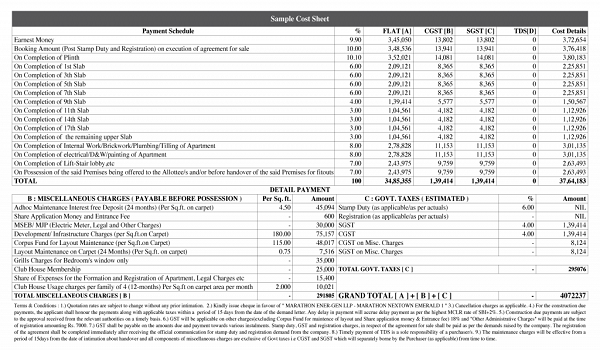
A new home is often paid in instalments linked to construction. TDS is deducted on each instalment, not only at the end. Every milestone payment carries its own 1 percent deduction.
Each instalment needs a separate Form 26QB. So a buyer paying in several tranches files a fresh form for each one. A record of each challan should be kept on file.
How to Pay Online and Issue Form 16B
The payment is made online through Form 26QB. This is a challan-cum-statement for property TDS. The amount must be deposited within 30 days from the end of the month in which it was deducted.
After payment, Form 16B is downloaded from the TRACES portal. This is the TDS certificate given to the seller. It confirms that the 1 percent was deducted and deposited on their behalf.
Penalties for Late Deduction or Payment
Delays carry a cost, so the timeline matters. Late filing of Form 26QB attracts a fee of Rs 200 a day under Section 234E, capped at the TDS amount. Interest also applies on late or missed deduction.
A non-filing can draw a further penalty under Section 271H. A buyer should confirm the current rate and forms before paying. A tax professional can help if anything is unclear.
Why the Rule Exists and Records to Keep
The rule helps the tax department track high-value property deals. A 1 percent cut at source leaves a clear trail. It is a compliance step, not an extra tax, as it adjusts against the seller's liability.
Keep a clean set of records for each deduction. The list below covers the essentials.
- The Form 26QB challan for each instalment.
- The Form 16B certificate issued to the seller.
- The sale agreement showing the price.
- Proof of the PAN of both buyer and seller.
A missing seller PAN pushes the rate far higher, so it should be confirmed early. Good records also help at resale, when the next buyer runs the same checks.
TDS With Joint Buyers or Sellers
Many homes are bought in joint names. The deduction still applies on the total price above Rs 50 lakh. Each buyer deducts in proportion to their share.
A separate Form 26QB is filed for each buyer and seller pair. So a home with two buyers and one seller needs two forms. The total deducted still adds up to 1 percent of the price. Keep the share split clear in the agreement to avoid a mismatch later.
Frequently Asked Questions
The rate is 1 percent under Section 194-IA. It applies when the sale value of the property is Rs 50 lakh or more.
The buyer deducts it. No TAN is needed. The buyer deducts 1 percent from the amount payable to the seller and deposits it with the government.
It applies to the full sale value once the price crosses Rs 50 lakh. For a Rs 1.35 crore home, the TDS is Rs 1.35 lakh.
TDS is deducted on each instalment at 1 percent. Every milestone payment needs its own Form 26QB filed separately.
Form 26QB is used to deposit the TDS online. After payment, Form 16B is downloaded and handed to the seller as the certificate.
Late filing draws Rs 200 a day under Section 234E, capped at the TDS amount. Interest applies on late deduction, with a further penalty possible under Section 271H. The challan and Form 16B should be kept on record. They are needed at resale, when the next buyer runs the same check.