Benefits of Low-Density Gated High-Rise Living

Not every high-rise feels crowded. Density depends on how many homes sit on how much land. It is not just about tower height. A low-density project spreads fewer units across more open land. This changes daily life in real ways. It also changes how a home holds its value over time. This guide covers what low density means. It also covers why this matters for both lifestyle and long-term returns. It uses Prestige Park Ridge, a Prestige Group project on Bannerghatta Road, South Bangalore, to show how this plays out in a real township.
What Low Density Actually Means
Density is a simple sum. Take the total number of homes. Divide that by the total land area. A high number means a packed site. A low number means more room per family. Two projects can both have tall towers. Yet one can feel packed, while the other feels open. The gap often comes down to how much land the builder left free.
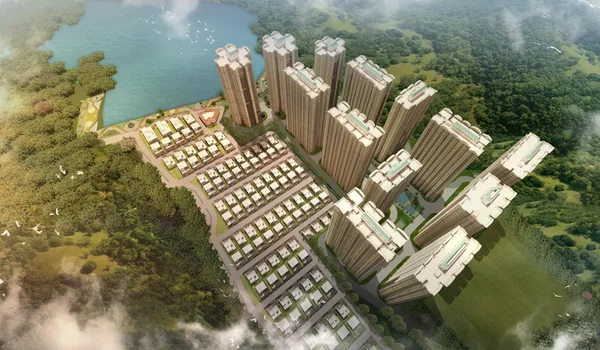
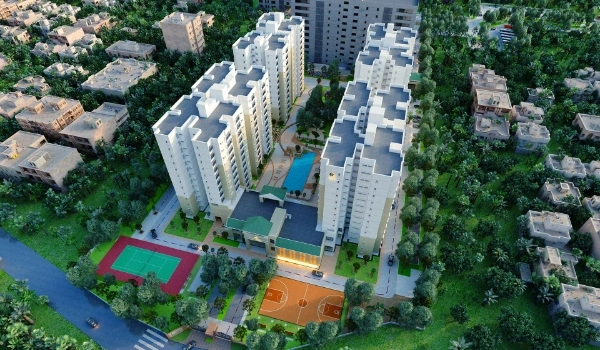
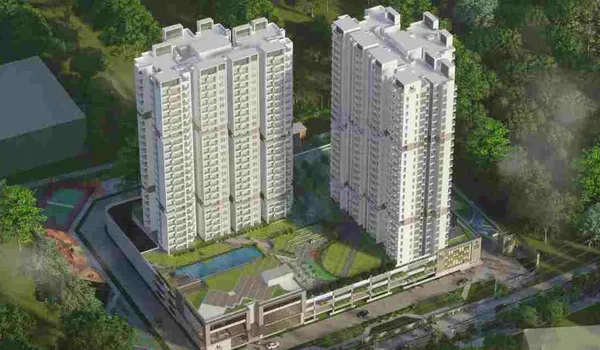
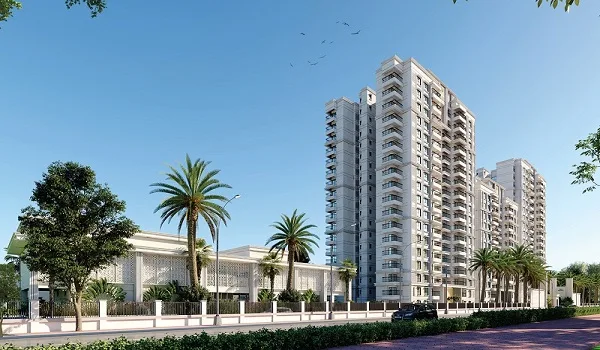
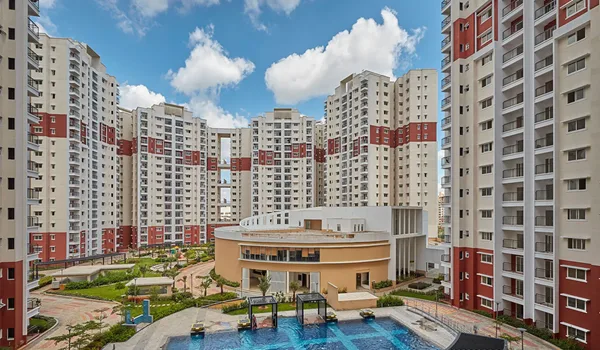
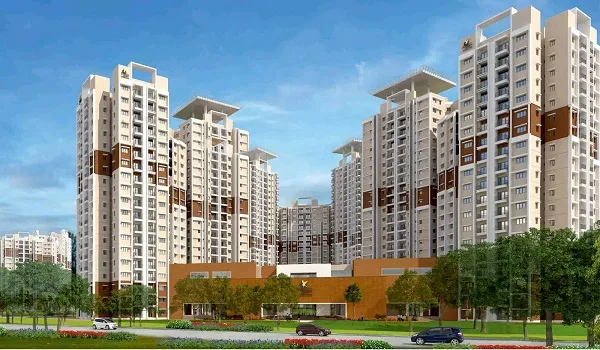
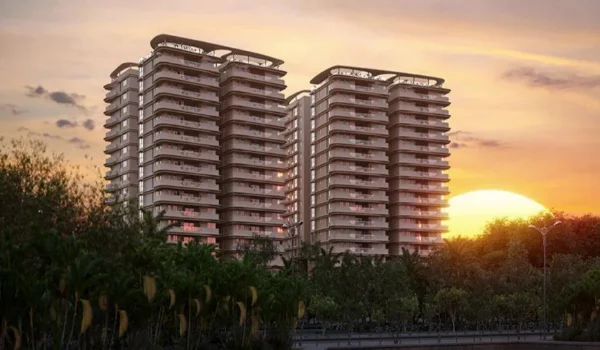
Prestige Park Ridge holds 1,119 homes across 26.2 acres. That works out to about 43 units per acre. Over 80 percent of that land stays open. It spreads across gardens, walking paths and gaps between towers. This is a low-density layout. This holds true even though the towers rise up to 24 floors.
Low Density Quick Facts
| Detail | Specification |
|---|---|
| Project | Prestige Park Ridge |
| Developer | Prestige Group |
| Total Land Area | 26.2 acres |
| Total Units | 1,119 across 12 towers |
| Open Space | Over 80 percent |
| Configurations | 1, 2 and 3 BHK |
| Price Range | Rs 85 Lakhs to Rs 1.8 Crores |
Everyday Benefits of Low-Density Living
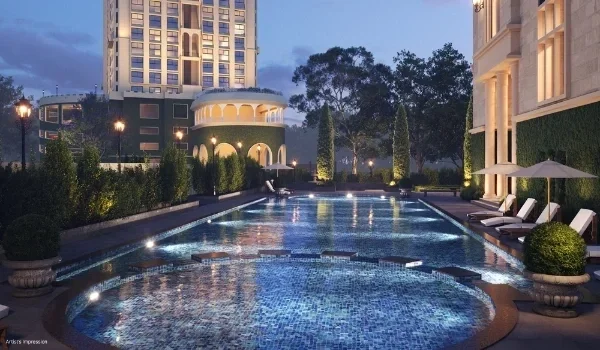
A low-density layout changes how your day feels, not just how the brochure reads. Wide gaps between towers let more light reach your windows. Fresh air moves more freely too. Towers are not packed close enough to block cross flow. Shared spaces like gardens, play areas and jogging tracks see fewer people at once.
Noise drops as well. Fewer homes share each stretch of corridor and lift lobby. Parking feels less chaotic when a project has room to spread out. Visitor cars and resident cars stay apart more easily. Even a simple evening walk feels different. You are not squeezed between two towers with barely any sky above you.
Why Low Density Matters for Long-Term Returns
Buyers often check price per square foot. They often skip density. This is a mistake. Density affects resale value in a real way. A low-density project ages better. Crowded shared spaces and tight parking wear out faster in dense projects. That shows up in resale listings within a few years. A project with more open land per family tends to stay attractive to future buyers for longer.
Rental demand follows a similar path. Tenants now ask about open space before they sign a lease. This is common among working professionals and families. A low-density township with strong green cover often earns a small edge. This shows up in both rent and resale price, even at a similar location.
Low Density vs High Density: A Quick Comparison
| Factor | Low-Density Project | High-Density Project |
|---|---|---|
| Units per acre | Fewer homes per acre | More homes per acre |
| Open space | Higher share, often 70 to 80 percent plus | Lower share, often 40 to 55 percent |
| Shared space use | Lower, more room per family | Higher, most of all at peak hours |
| Noise levels | Usually lower | Usually higher |
| Resale appeal | Tends to hold up over time | Can fade as facilities wear down |
How Prestige Park Ridge Applies This Approach
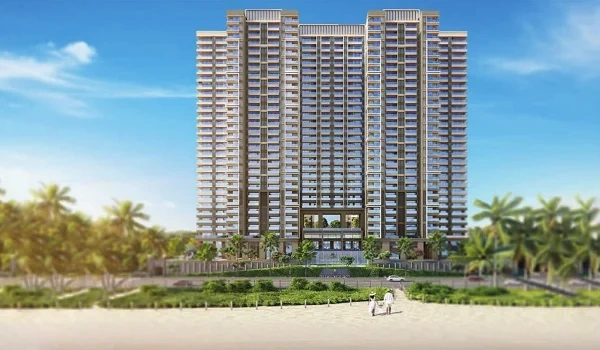
Prestige Park Ridge sits on Bannerghatta Road, South Bangalore. It sits close to the Electronic City IT belt. The project holds 1,119 homes across 12 towers. Yet it keeps over 80 percent of its 26.2 acre site as open land. This gives residents wide gaps between towers. It also gives them a 50,000 sq ft clubhouse with room to spare. Most older, denser projects on this stretch cannot match that green cover.
For a buyer, this matters beyond comfort. A well-planned, low-density township tends to draw steady rental demand from the nearby IT workforce. Tenants often prefer a quiet, green setting over a tight one. Early buyers who book through Expression of Interest also get pre-launch pricing. This can add to long-term returns if the project performs well once it launches in October 2026.
What to Check Before You Choose a Low-Density Project
- Total units divided by total land area, so you can work out actual density
- Open space share claimed in the brochure, checked against the master plan
- Gap between neighbouring towers, checked on a site visit if you can
- Clubhouse size compared to the total number of homes in the project
- Rent and resale trends for similar low-density projects in the same area
Is Low-Density Living Worth the Investment?
Why does low density matter for property value?
Lower density means less wear on shared spaces. It also means more lasting appeal to future buyers. This tends to support stronger resale value over five to ten years.
Who is Prestige Group?
Prestige Group carries a 40-year track record in Indian real estate. It has delivered more than 300 projects across 14 cities. This list includes Bangalore, Hyderabad, Chennai, Kochi and Goa. The group holds a CRISIL DA1+ rating.
How do you work out density before buying?
Divide the total number of units by the total land area in acres. Compare this figure across a few projects in the same area before you decide.
FAQs
Low density means fewer homes sit on each acre of land. A project can have tall towers and still count as low density, if enough open land sits between them.
Yes. It holds 1,119 homes across 26.2 acres. That works out to about 43 units per acre, with over 80 percent of the land kept open.
Yes. Low-density projects tend to age better, since shared spaces see less daily strain. This often supports stronger resale value over time compared to denser projects.
Not always. Price depends on location, brand and finish quality as much as density. A low-density project can sit close in price to a denser one nearby.
Tenants often want steady rental demand and long-term growth in low-density projects. They value open space and lower crowding around shared spaces.
Divide the total unit count by the total land area in acres. Then check the open space share in the brochure against the actual master plan.