
GST on Under-Construction Apartments Explained
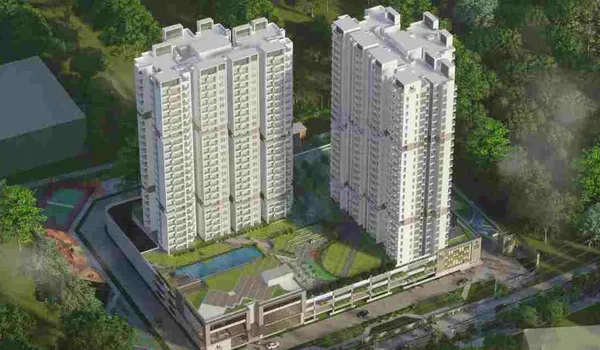
Buying a flat that is still being built comes with a tax layer that ready-to-move homes skip, and that tax is GST. Standard residential units attract 5 percent GST. Affordable housing gets a lower 1 percent rate. Neither category lets the buyer claim input tax credit. A project like on Bannerghatta Road sits in that standard group. Prices there run from Rs 85 Lakhs to Rs 1.8 Cr. So every unit type there draws the 5 percent rate while construction is on.
This tax rides on top of your quoted flat price. It applies only while the project has no completion certificate yet. Once that paper arrives and the flat sells as ready-to-move, GST drops out of the deal. Stamp duty and registration still apply, of course.
What Counts as Affordable Housing Under GST
The 1 percent rate is not available to every buyer. It kicks in only when a flat meet two conditions together. Miss either one, and the unit falls into the 5 percent bracket instead.
| Criterion | Metro Cities | Non-Metro Cities |
|---|---|---|
| Maximum Price | Rs 45 Lakhs | Rs 45 Lakhs |
| Maximum Carpet Area | 60 sq metres | 90 sq metres |
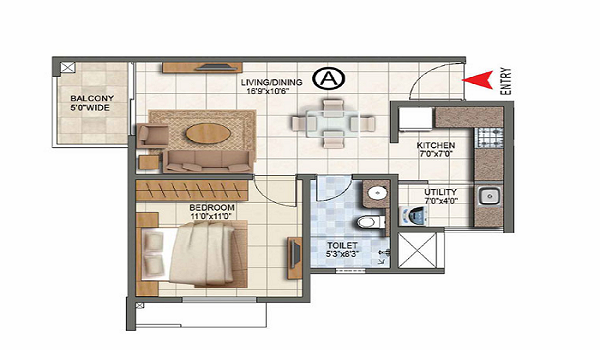
Bangalore counts as a metro city under this rule. Prestige Park Ridge starts at Rs 85 Lakhs for its smallest 1 BHK. That price alone rules out the lower slab. So the standard 5 percent rate covers every unit type on offer here.
How the 5 Percent Rate Actually Gets Calculated
Most buyers assume 5 percent GST means 5 percent of the full price. That is where they trip up. GST law treat one third of your total price as the notional cost of land. Land itself sits outside GST's reach. Tax applies only on the remaining two thirds, the part tied to actual construction work. Your effective GST outgo, in turn, works out closer to 3.33 percent. That is not a straight 5 percent of your full flat price.
| Configuration | Price | Land Value (1/3rd) | Taxable Value (2/3rd) | GST at 5% |
|---|---|---|---|---|
| 1 BHK | Rs 85 Lakhs | Rs 28.3 Lakhs | Rs 56.7 Lakhs | Rs 2.83 Lakhs |
| 2 BHK | Rs 1.35 Cr | Rs 45 Lakhs | Rs 90 Lakhs | Rs 4.5 Lakhs |
| 3 BHK | Rs 1.8 Cr | Rs 60 Lakhs | Rs 1.2 Cr | Rs 6 Lakhs |
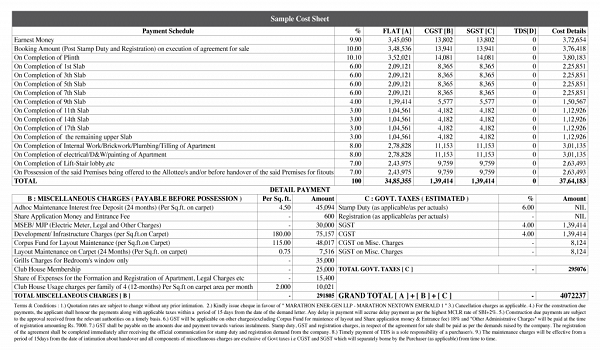
These figures use pre-launch base prices. Your final GST bill will shift with the actual price. That firms up once RERA approval and the cost sheet are out. Builders usually list GST as its own line in the payment schedule. It then lands with each construction-linked payment, not as one lump sum.
No Input Tax Credit for the Buyer
Before April 2019, builders paid a higher GST slab but could claim input tax credit on materials and service. Some passed a slice of that saving back to buyers. That option is gone now. Today's 5 percent and 1 percent rates give developers no such credit at all. The law also stops them from billing this credit to buyers separately. What you see quoted as GST is the final number, and no later adjustment follow.
GST on Under-Construction vs Ready-to-Move Flats
- Under-construction flats attract GST because you are technically paying for a service, the ongoing construction work, not a finished products.
- Ready-to-move flats with a valid completion or occupancy certificate carry no GST at all. The sale counts as immovable property, not a service.
- Booking early through Expression of Interest, as Prestige Park Ridge buyers do, brings GST into your first instalment.
- Waiting until possession removes GST from the deal entirely. The base price by then, though, usually runs higher than what early buyers locked in.
Does GST Apply on Stamp Duty and Registration Too
No, GST and stamp duty are two separate charges from two different bodies. GST goes to the central and state governments under a shared tax setup. Stamp duty and registration, instead, belong to the state under property transfer law. You pay both on an under-construction purchase, and neither one replaces the other. Karnataka charges stamp duty and registration on the full sale value no matter what GST comes to. So buyers at Prestige Park Ridge should budget for both costs on their own.
Why This Matters for Your Budget
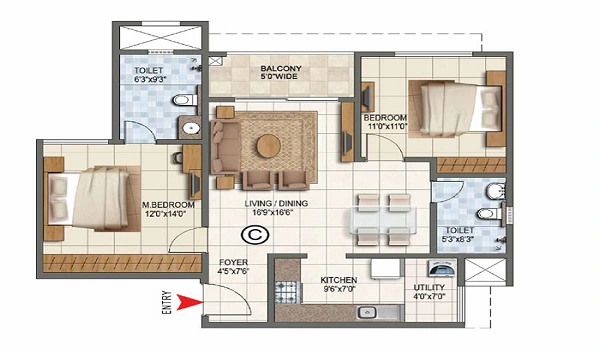
A 3.33 percent GST rate on a Rs 1.35 Cr 2 BHK adds up to Rs 4.5 Lakhs. Many first-time buyer forget to factor this into their loan planning. GST gets billed alongside each construction-linked instalment, not upfront. So it does not hit your pocket all at once. Even so, it raises your total cost of ownership compared to a similar ready-to-move flat. Working this into your budget early helps you dodge a last-minute cash crunch when a demand notice lands.
Is GST negotiable or refundable
No, GST is a statutory levy fixed by law. No builder has the authority to waive, discount, or refund it on a standard residential sale.
Should GST change your decision to book early
Not really. Early bookings through Expression of Interest still tend to work out cheaper overall. The lower pre-launch price usually offsets the GST cost, compared to buying closer to possession.
FAQs
Standard residential units attract 5 percent GST. Affordable housing priced up to Rs 45 Lakhs attracts 1 percent. Neither category allows input tax credit for the buyer.
Yes. Prices start at Rs 85 Lakhs, well above the affordable housing threshold. So every configuration at Prestige Park Ridge falls under the standard 5 percent GST rate.
GST law excludes one third of the total price as deemed land value. The 5 percent rate applies only to the remaining two thirds. That brings the effective cost to about 3.33 percent.
No, flats sold after a completion or occupancy certificate is issued count as immovable property, not a service. So GST does not apply to them.
No, GST and stamp duty are separate charges from different authorities. Buyers need to pay both on any under-construction property purchase.
No, developers under the current 5 percent and 1 percent GST rates cannot claim input tax credit. So there is no discount passed on to buyers.