
Home Loan Interest Rates 2027
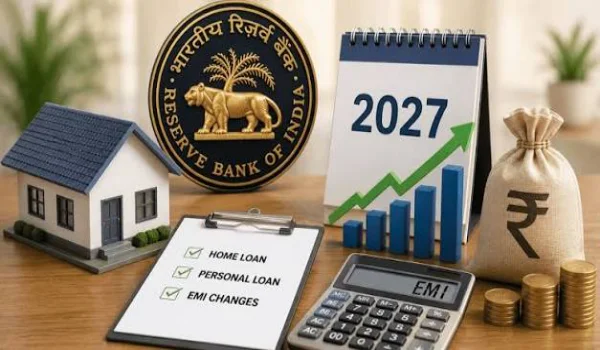
Home loan interest rates shape the real cost of a Prestige Park Ridge home more than almost any other factor in 2027. Most home loans are linked to the RBI repo rate, so a softer repo rate keeps floating rates low and eases the EMI. This guide compares the major lenders, explains fixed against floating, and sets out what decides the rate a buyer is offered. It also covers the EMI, the charges to compare, and how a loan is paid out on an under-construction home.
Rates at the Major Lenders
Rates across the major lenders stay closely matched in 2027. The large public-sector banks, the leading private banks and the big housing finance firms all compete for home loan borrowers. For a strong credit profile, the gap between the best offers is narrow.
Each type of lender has its own strength. The table below sets out what each is known for, without quoting a rate, as rates move often.
| Lender Type | Known For |
|---|---|
| Public-sector banks | Competitive repo-linked rates for salaried buyers |
| Private banks | Quick processing and digital approval |
| Housing finance firms | Flexible eligibility for varied profiles |
A buyer should gather offers from all three types before choosing. The lowest headline rate is not always the best deal once charges are counted.
Fixed Rates, Floating Rates and the Repo Rate
Most retail home loans in India are floating. A floating rate is linked to the RBI repo rate through the lender's benchmark. When the repo rate falls, the floating rate follows, and the EMI or the tenure eases.
A fixed rate holds steady for a set period. It usually starts higher than a floating rate, as the lender carries the risk of future moves. A fixed rate suits a buyer who wants a set EMI and certainty. A floating rate suits a buyer who expects rates to stay soft or to fall.
What Changes the Rate Offered
The headline rate is only a starting point. The rate a buyer is actually offered turns on a few things. The points below are the main ones.
- A strong credit score earns the lowest band on offer.
- A lower loan-to-value ratio can improve the rate.
- A stable income and employer strengthen the case.
- A clean repayment record keeps the rate down.
A clean credit history is the single biggest lever a buyer controls. It is worth checking the credit score well before applying, and clearing any small dues first.
The EMI and What Drives It
The EMI is the monthly repayment of the loan. Three things set its size, the interest rate, the loan amount and the tenure. A lower rate or a longer tenure reduces the monthly figure.
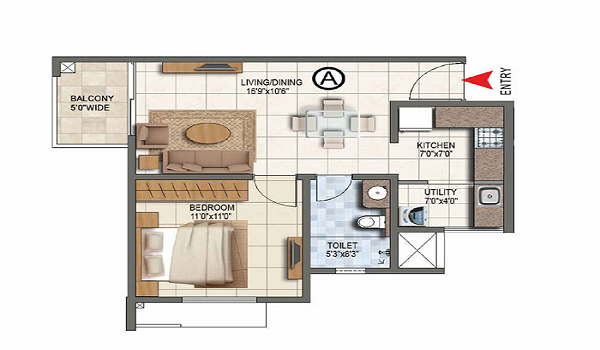
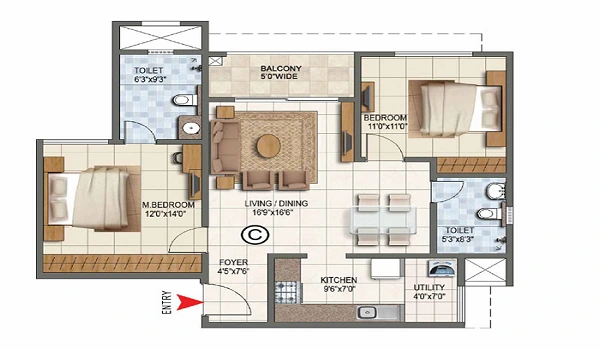
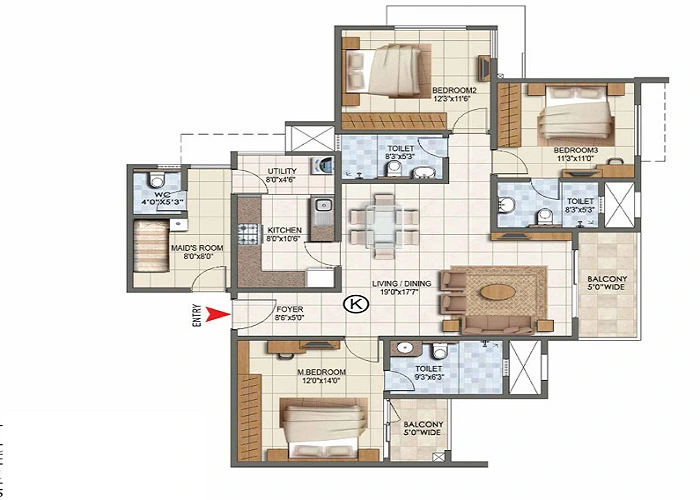
A longer tenure eases the EMI but raises the total interest paid over the loan. A shorter tenure does the reverse. The project offers 1, 2 & 3 BHK homes, so the loan amount scales with the configuration. The EMI calculator page can test different rates and tenures for each.
Charges to Compare Beyond the Rate
The interest rate is only part of the cost. A few charges differ across lenders and add up over the life of the loan. They deserve the same attention as the rate.
- The processing fee charged on the loan.
- Legal and valuation charges for the property check.
- Prepayment terms, usually free on a floating loan.
- The reset frequency on a repo-linked rate.
A balance transfer is also worth knowing about. If rates fall or the credit score improves later, the loan can move to a lower rate. The transfer fee should be weighed against the saving before switching.
How Disbursement Works on an Under-Construction Home
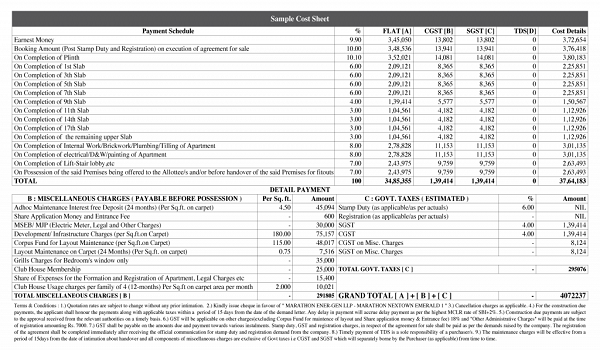
Prestige Park Ridge is a new launch, so loans here are paid out in stages. The bank releases the money in line with construction progress, not in one lump sum. Each tranche matches a completed milestone on site.
During this period, many buyers pay pre-EMI interest on the amount drawn so far. The full EMI begins once the loan is fully disbursed. A clear disbursement schedule keeps the cash flow steady through construction. Confirm the current rate and terms with the lender before signing.
Frequently Asked Questions
Home loan rates stay competitive in 2027, with most loans linked to the RBI repo rate. A softer repo rate keeps floating rates low. The exact rate depends on the lender & the borrowers profile.
Most home loans are floating and linked to the repo rate. When the repo rate falls, the floating rate follows, and the EMI or tenure eases. A rise works the other way.
Most buyers choose floating, as it falls when the repo rate falls. A fixed rate starts higher but gives a set EMI, which suits buyers who want certainty.
The credit score, the loan amount and the loan-to-value ratio all matter. A strong credit score earns the lowest band on offer, and a clean repayment record helps too.
The EMI depends on the rate, the loan amount and the tenure. A lower rate or a longer tenure reduces it. The EMI calculator page can test the figure for each configuration.
The bank disburses the loan in stages that match construction milestones. Many buyers pay pre-EMI interest until the loan is fully drawn. The full EMI then begins once it is fully disbursed.