Under Construction vs Ready to Move Homes in 2027
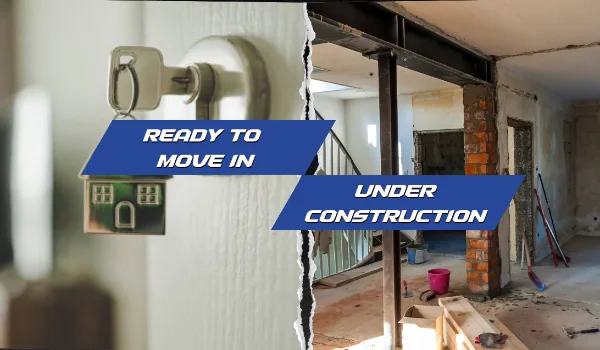
Under-construction and ready-to-move homes each make sense for a different Prestige Park Ridge buyer. An under-construction home is cheaper up front but carries 5 percent GST and a wait for possession. A ready-to-move home with an occupancy certificate has no GST and no wait, but it costs more per sq ft. This guide weighs both plainly on price, GST, payment, delay risk and tax, so a buyer can pick with open eyes.
Price Difference Between the Two
Price is the first point of difference. An under-construction home is usually cheaper per sq ft at launch. The developer prices early inventory below the finished-home rate.
A ready-to-move home costs more, as the buyer pays for immediate use and no wait. The gap narrows as a project nears completion. The saving must be weighed against the time spent waiting for the keys.
GST and the Key Differences
GST is the clearest split between the two. The table below sets out the main factors side by side.
| Factor | Under-Construction | Ready-to-Move |
|---|---|---|
| GST | 5% without input credit | Nil with an OC |
| Price per sq ft | Lower at launch | Higher |
| Possession | After a wait | Immediate |
| Main risk | Completion and delay | Less upside on price |
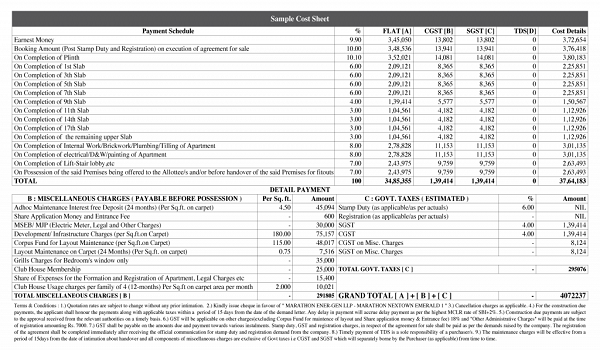
A ready home with an occupancy certificate attracts no GST, as it is immovable property. An under-construction home attracts 5 percent, or 1 percent for affordable housing. That is a real cost to count in.
Payment Schedule and EMI During Construction
The payment flow differs too. An under-construction home is paid in stages linked to construction. Park Ridge, for example, runs a 10:10:80 construction-linked plan, which spreads the outgo.
During construction, many buyers pay pre-EMI interest on the amount drawn so far. A ready home needs the full payment or loan up front. The staged plan eases cash flow, but it runs alongside any rent still paid elsewhere.
Delay Risk and RERA Protection
Delay is the main risk with an under-construction home. The keys can come later than promised. This is the clearest drawback to accept before buying.
RERA cushions this risk. Under-construction projects get active oversight, with timelines, escrow accounts and delay remedies under Section 18. A ready home with an OC carries no construction risk at all. Both facts should weigh in the buyer's choice.
Tax and Rental Timing
Timing shapes the returns on each option. A ready home gives immediate possession, so rent and the full loan tax benefits start at once. That suits a buyer who wants income from day one.
An under-construction home delays rental income until possession. The interest paid during construction is claimed only from possession, over five years. So the tax benefit starts later.
Which Option Suits Which Buyer
The better choice depends on the buyer's goal. The points below give a plain steer.
- End user with time. An under-construction home saves money and spreads payments, if the buyer can wait.
- End user needing a home now. A ready home gives immediate possession and no GST.
- Investor seeking appreciation. An under-construction home offers an entry price with upside to launch.
- Investor seeking rent now. A ready home starts income at once.
Confirm the price, plan, GST and possession status with the developer, and verify the RERA details before booking.
How to Reduce the Risk on an Under-Construction Home
The delay risk is real, but it can be managed. A few checks tilt the odds in the buyer's favour. Start with the builder's track record on past projects.
Confirm the RERA registration and read the project timeline. The agreement for sale should state a clear possession date. A reputed developer with a strong delivery record lowers the risk a great deal.
- Check the builder's record on earlier handovers.
- Confirm the RERA number and the escrow account.
- Read the possession clause in the agreement.
- Track construction progress against the plan.
A staged, construction-linked payment plan also helps. The money is released as work is done, not all up front. That keeps the buyer's exposure in step with real progress on site.
Frequently Asked Questions
Yes, usually at launch. The developer prices early inventory below the finished-home rate. The gap narrows as the project nears completion. The saving is the reward for taking on the wait.
It is 5 percent without input tax credit for a standard home, or 1 percent for affordable housing. A ready home with an occupancy certificate attracts no GST.
The main risk is a delay in possession. RERA cushions this with timelines, escrow accounts and delay remedies under Section 18.
The interest paid during construction is claimed only from possession, over five equal years. Rental income also starts only after possession.
An under-construction home offers an entry price with upside to launch. A ready home starts rental income at once, which suits an investor who wants cash flow now.
Payment is linked to construction stages, such as a 10:10:80 plan. Many buyers pay pre-EMI interest on the amount drawn until the loan is fully disbursed. This spreads the cost over the build period. It also keeps the buyer's exposure in step with real progress on site, which eases the strain on savings.